
ScarFall 2.0: Battle Royale has emerged as India’s premier mobile battle royale game, and the Mumbai Map represents the ultimate test of survival skills with its intense 100 player matches and zero respawn mechanics. After extensive gameplay sessions including successful solo versus squad matches, I’m sharing complete strategies, control optimization tips, and tactical approaches for dominating Mumbai’s urban warfare environment.
This comprehensive guide covers ScarFall 2.0: Battle Royale Mumbai Map, the hardcore survival mode featuring railway stations, multi story buildings, local trains, and unforgiving 100 player battles with no second chances. Everything discussed comes from actual gameplay experience including successful squad wipes and top placement finishes.
Quick Navigation:
- What is ScarFall 2.0: Battle Royale
- Mumbai Map Overview
- Solo vs Squad Strategy
- Control Optimization
- Landing Strategy
- Railway Train Tactics
- Late Game Positioning
- Weapon Loadout Guide
- How to Download
Watch Full Gameplay Video
Watch my complete solo versus squad gameplay on Mumbai Map showing successful squad wipes, train station battles, strategic rotations using local trains, and top placement finish. You’ll see actual combat techniques and positioning strategies that work.
The video demonstrates genuine gameplay without editing out deaths or failures.
What is ScarFall 2.0: Battle Royale
ScarFall 2.0: Battle Royale is India’s premier indigenous battle royale game that combines competitive gameplay with authentic Indian cultural elements and locations.
Game Overview:
ScarFall 2.0: Battle Royale is developed by XSQUADS Tech Private Limited, a Mumbai based Indian game development studio. The game delivers 100 player battle royale matches across multiple maps featuring Indian landmarks, vehicles, and environments. Players fight to be the last person or team standing through strategic combat, looting, and survival mechanics.
Made in India:
This completely homegrown Indian game represents significant achievement in the country’s gaming industry. Unlike international titles simply adding Indian elements, ScarFall was conceived, designed, and developed entirely by Indian developers for Indian and global audiences.
Game Modes:
The game offers Classic Mode on Andaman Map with three respawn chances allowing more forgiving gameplay for casual players. Survival Mode on Mumbai Map features 100 players with zero respawns creating hardcore competitive experience. Team Deathmatch and other modes provide variety beyond traditional battle royale.
Indian Maps and Locations:
ScarFall features authentic Indian environments. The Andaman Map showcases the scenic island territories with beaches, forests, and coastal areas. Mumbai Map recreates India’s financial capital with railway stations, local trains, urban buildings, and recognizable landmarks. Goa Map brings the tourist destination to life with its unique architecture and coastal setting.
Unique Features:
The game includes functioning Mumbai local trains that actually transport players between stations. Auto rickshaws serve as vehicles providing authentic Indian transportation. Cultural elements like Indian music, voice lines, and environmental design create immersive local flavor.
Current Status:
Season 03 Kaal Reborn represents the latest major update with new content, weapons, skins, and gameplay improvements. Regular updates show active development commitment with developers responsive to community feedback.
Player Base:
Over 5 million downloads on Google Play Store demonstrate strong and growing player community. The 4.4 rating reflects positive reception with players appreciating the Made in India quality and cultural authenticity.
Free to Play Model:
The game is completely free to download and play with no pay to win mechanics. Monetization focuses on cosmetic items including character skins, weapon skins, emotes, and battle pass content. Skill determines success, not spending.
Device Optimization:
Unlike resource intensive international titles, ScarFall 2.0: Battle Royale is optimized to run smoothly on budget and mid range Android devices. This accessibility allows millions of Indian players with modest smartphones to enjoy quality battle royale gameplay.
Competitive Scene:
The game hosts regular tournaments and events with prize pools encouraging competitive play. Ranked modes allow players to climb leaderboards proving their skills against the best players.
Cultural Significance:
As India’s gaming industry grows toward becoming a global player, titles like ScarFall 2.0: Battle Royale represent important milestones. The game proves Indian studios can create competitive products matching international quality while celebrating local culture.
Language Support:
The game supports multiple Indian languages alongside English making it accessible to diverse player base across different regions. This localization shows understanding of India’s linguistic diversity.
Regular Content Updates:
New weapons, maps, modes, events, and seasonal content arrive regularly keeping gameplay fresh. The developers maintain active social media presence sharing updates and engaging with the community.
Why It Matters:
ScarFall 2.0: Battle Royale demonstrates that quality battle royale experiences can come from Indian developers while featuring Indian content. Supporting this game helps grow the domestic gaming industry creating more opportunities for local talent.
Mumbai Map Overview
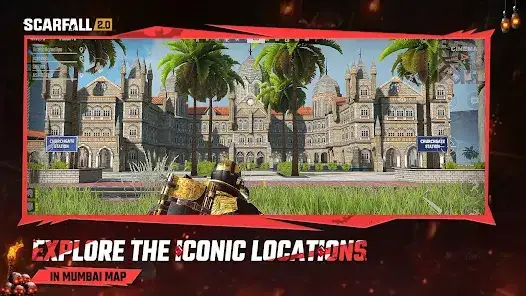
Understanding Mumbai Map’s unique characteristics is essential for survival in this unforgiving 100 player battleground.
Map Design:
Mumbai Map recreates India’s financial capital with authentic urban warfare environments. Railway stations, multi story residential buildings, market areas, rooftops, narrow alleys, and functioning local trains create complex tactical landscape requiring vertical awareness and map knowledge.
Game Mode Specifications:
The Mumbai Map hosts Survival Mode featuring 100 players with absolutely zero respawns. Unlike Classic Mode on Andaman Map offering three respawn chances, Mumbai demands perfection because every death is permanent elimination.
Why Mumbai is Harder:
The combination of 100 players, no respawns, urban environment with countless ambush spots, and vertical combat across multiple building levels creates the most challenging ScarFall experience. Players accustomed to Classic Mode’s forgiving respawn system face harsh reality check in Mumbai.
Urban Warfare Challenges:
Buildings provide cover but also conceal enemies. Rooftop campers control high ground advantages. Railway stations funnel players into chokepoints. Narrow alleys limit movement options. This environment punishes careless positioning and rewards tactical thinking.
Local Trains Feature:
Functioning Mumbai local trains traverse the map connecting different stations. These trains provide unique rotation opportunities, moving cover during fights, and strategic repositioning unavailable on other maps.
Population Density:
100 player lobbies ensure constant action. Unlike smaller player count modes, Mumbai rarely has quiet moments. Early game sees mass casualties at hot drops. Mid game involves zone rotations with frequent third party encounters. Late game compresses survivors into tiny circles creating intense final fights.
Match Duration:
Average Mumbai matches last 25 to 30 minutes for top placements. Early deaths occur within minutes for aggressive hot droppers. Conservative players surviving to final circles experience extended matches testing endurance and resource management.
Why Players Love It:
Despite brutal difficulty, Mumbai Map attracts competitive players seeking genuine challenge. The rush of surviving 100 player lobbies without respawns, outplaying full squads solo, and earning hard fought victories creates satisfaction unmatched by easier modes.
Solo vs Squad Gameplay Strategy
Playing solo against four player squads requires fundamental strategy shifts from standard solo versus solo matches.
Mindset Adjustment:
Accept that direct confrontations favor squads. Four coordinated players with crossfire angles and revive capabilities beat solo players in equal skill fights. Success requires picking favorable engagements and avoiding fair fights.
When to Engage:
Attack only when holding significant advantages. Ideal scenarios include catching squad members separated, having superior position like high ground, possessing element of surprise, or third partying squads already fighting each other.
Avoid Fair Fights:
Never push squads head on from equal positions. Even if you knock two players, the remaining teammates revive them while you reload. Fair fights are losing propositions for solo players regardless of individual skill.
Third Party Mastery:
Position near areas where squads commonly fight. Wait for two squads to damage each other. Attack the weakened survivors who are low on health, ammo, and healing items. This turns the numbers disadvantage into advantage.
Hit and Run Tactics:
Deal damage and immediately reposition. Don’t stay in one spot trading shots with squads. Knock one player, relocate, knock another from different angle. Keep squads confused about your location and unable to coordinate responses.
Cover Usage:
Always fight with hard cover available for instant protection. Buildings, walls, vehicles, and terrain features let you break line of sight when taking damage. Open area fights without cover guarantee death against squads.
Resource Management:
Solo players cannot afford extended fights depleting ammunition and healing. Each engagement must achieve something worthwhile. Pointless poke damage wastes resources without eliminating threats.
Know When to Disengage:
If a fight turns unfavorable, retreat immediately. Pride kills solo players who refuse to run from bad situations. Survival trumps kills because dead players cannot win regardless of their elimination count.
Patience Pays:
Squads often make mistakes through overconfidence when pursuing solo players. Let them push into disadvantageous positions. Bait them into traps. Use their aggression against them rather than forcing plays yourself.
Final Circle Strategy:
Late game against multiple squads requires extreme caution. Let squads fight each other. Position in zones forcing squads to move through your firing lanes. Victory often comes from being last standing rather than highest kills.
Control Settings and Optimization
Proper control configuration dramatically impacts combat effectiveness and movement fluidity.
Initial Setup Importance:
Default controls rarely suit individual preferences. The gameplay mentioned playing four matches before controls finally felt comfortable. Don’t expect instant perfection. Invest time tweaking settings until movement and aiming feel natural.
Sensitivity Settings:
Camera sensitivity affects aiming precision. Lower sensitivity improves accuracy for long range fights but limits close quarters reaction speed. Higher sensitivity enables quick flicks but reduces precision. Find personal balance through practice mode testing.
Fire Button Placement:
The fire button location determines comfort during sustained shooting. Place it where your thumb naturally rests during aiming. Awkward stretching to shoot causes missed shots and finger fatigue during extended matches.
Movement Controls:
Joystick size and position affect navigation smoothness. Larger joysticks provide finer control but occupy more screen space. Position it for thumb comfort without blocking crucial visual information.
Scope Button Access:
Quick scope switching matters during combat. Place scope buttons where you can tap them instantly without searching. Fumbling for scopes during fights costs lives against reactive opponents.
Customization Process:
Access settings, enter training mode, test configurations during actual movement and shooting, adjust based on comfort, repeat until everything feels instinctive. This iterative process takes time but creates foundation for improvement.
HUD Layout:
Minimize screen clutter by positioning less frequently used buttons toward edges. Keep essential controls like shooting, aiming, and movement in prime thumb reach zones.
Auto Settings:
Auto pickup, auto open doors, and auto equip attachments reduce manual actions. However, some players prefer manual control for specific tactical reasons. Test both approaches finding what works personally.
Graphics vs Performance:
While not strictly controls, graphics settings affect responsiveness. Lower graphics increase frame rates improving reaction times. Prioritize smooth performance over visual quality for competitive advantage.
Landing Zones and Early Game
The first minutes determine match trajectory through loot quality, early eliminations, and positioning for mid game rotations.
Hot Drop Considerations:
Landing at popular locations like major railway stations guarantees immediate combat. The gameplay showed landing at a station where six players from two squads also dropped. Hot drops provide action and good loot but high death risk.
Loot Priorities:
The immediate need after landing is helmet and vest for damage mitigation. The gameplay emphasizes this critical priority. Weapons matter but armor determines survival during early encounters. Grab protection first, then weapons.
Initial Fights:
Early game fights often involve basic weapons and minimal equipment. Players are weak and vulnerable. Aggressive plays can secure quick eliminations before enemies find armor and healing.
Building Clearing:
When landing near enemies, clear buildings systematically. Check corners, listen for footsteps, and maintain awareness of entry points. Dying to campers in the first building feels terrible.
Respawn Card Irrelevance:
In Mumbai’s no respawn mode, picking up respawn cards is pointless. The gameplay shows confusion about whether respawn cards even exist in this mode. They don’t matter because dead teammates cannot return regardless.
Early Positioning:
After securing basic loot, position for first zone collapse. Being caught outside early circles forces dangerous rotations through open areas where squads can ambush.
Kill for Loot:
Early eliminations provide instant upgrades. Killing equipped players gives you their attachments, scopes, healing, and ammunition without tedious building searches.
Avoid Prolonged Fights:
Early game extended fights attract third parties. Secure quick kills or disengage. Standing in one location shooting for minutes signals your position to every nearby squad.
Mumbai Local Trains Tactical Usage
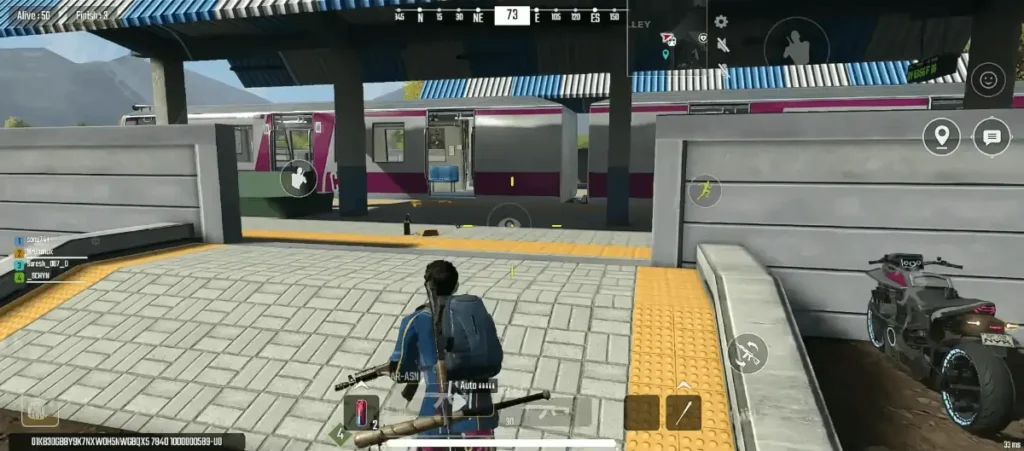
The functional railway system provides unique tactical opportunities unavailable on other battle royale maps.
Train System Mechanics:
Local trains actually move between stations transporting players across the map. You can board moving trains, ride them to different locations, and use them as mobile cover during fights.
Rotation Benefits:
Trains offer fast, protected rotation between zones. Instead of running across open ground where squads can shoot you, board trains for safer travel reducing exposure to enemy fire.
Combat on Trains:
The gameplay shows intense combat inside train compartments. Fighting on moving trains creates unique dynamics with limited cover, confined spaces, and moving backgrounds affecting aim.
Ambush Points:
Stations where trains stop become natural ambush locations. Squads waiting at stations can attack players disembarking from trains who are vulnerable during exit animations.
Strategic Boarding:
Board trains during safe moments between combat encounters. Jumping on trains while being shot leaves you trapped and defenseless. Wait for clear opportunities before committing to train rides.
Exit Timing:
Plan your train exit before arrival. Don’t ride past your intended station because returning requires dangerous backtracking. Know where you want to go and prepare to exit smoothly.
Audio Cues:
Train sounds are loud and distinctive. Use audio to track train positions without visual confirmation. Knowing train locations helps plan rotations and predict enemy movements.
Height Advantage:
Train tracks often run elevated above surrounding areas. This provides shooting angles down at enemies while making you harder to spot and hit.
Third Party Tool:
When squads fight near railway lines, use trains for surprise attacks. Arrive via train, eliminate distracted enemies, then leave before reinforcements arrive. Trains enable hit and run tactics.
Late Game Zone Management
Final circles separate winners from top ten finishers through superior positioning and decision making.
Circle Priority:
As zones shrink, positioning matters more than kills. The gameplay shows urgency about reaching zones during late game. Being trapped outside final circles guarantees death regardless of skill or equipment.
Vehicle Availability:
Vehicles become crucial for emergency rotations. However, the gameplay shows difficulty locating vehicles when desperately needed. Always note nearby vehicle spawns during mid game for late game emergencies.
Distance Management:
Track zone distance constantly. The gameplay shows the player being very far from the safe zone and needing to run desperately. Avoid getting caught too far outside circles requiring exhausting sprints through danger.
Final Circle Dynamics:
With only 16 players remaining as shown in gameplay, each elimination dramatically changes dynamics. Squads focus on each other allowing smart positioning to reach final moments without fighting.
High Ground Importance:
Buildings and elevated positions dominate late circles. Controlling high ground provides vision, cover, and shooting angles. However, getting trapped on rooftops when circles move kills many players.
Zone Damage:
Late zone damage kills extremely fast. The gameplay shows panic about zone damage while trying to reach safety. Never assume you can tank damage and heal. Get inside circles before health depletes.
Sound Management:
Late game silence often works better than shooting. Let squads fight each other. Every gunshot reveals position to remaining teams. Only shoot when necessary for elimination or defense.
Equipment Check:
Ensure full healing, ammunition, and grenades before final circles. Running out of critical supplies during last fights ends otherwise winnable matches. Stock up during quieter mid game moments.
Patience vs Aggression:
Some final circles reward camping while others require aggressive plays. Read the situation based on player positions, available cover, and zone movements. Rigid strategies fail.
Optimal Weapon Loadouts
Weapon selection and attachment optimization create foundations for combat success.
AKM Preference:
The gameplay shows strong preference for AKM rifles. The AKM provides excellent damage output with controllable recoil after practice. Mid range effectiveness makes it versatile for varied Mumbai combat scenarios.
Recoil Control:
Mastering recoil patterns separates average from skilled players. The final kill shown displays zero recoil control creating laser accurate fire. Practice weapon spray patterns until automatic firing hits targets consistently.
Scope Selection:
Red dot sights work excellently for close to mid range urban combat. The gameplay emphasizes smooth scope performance. Six times or eight times scopes benefit specific long range scenarios but are less versatile in Mumbai’s close quarters.
Attachment Priority:
Compensators reduce recoil. Extended magazines prevent running dry mid fight. Foregrips improve stability. These attachments transform average weapons into effective killing tools.
Secondary Weapons:
Pair rifles with shotguns for building clearing or SMGs for extreme close range. Having distinct weapons for different engagement ranges improves versatility.
Grenade Utility:
The gameplay shows using grenades for the first time in ScarFall. Grenades flush enemies from cover, finish knocked players, and damage grouped squads. Always carry multiple grenades.
Ammo Management:
Mumbai’s extended matches require substantial ammunition. Carry enough for multiple sustained fights but don’t waste inventory space on excessive ammo preventing healing item storage.
Healing Balance:
Med kits, bandages, painkillers, and energy drinks serve different purposes. Maintain balanced healing inventory covering immediate recovery and sustained health regeneration.
Loadout Flexibility:
Adapt loadouts based on available loot and combat situation. Don’t force specific weapon combinations when superior alternatives appear. Flexibility beats rigid preferences.
Combat Techniques and Tactics
Mechanical skill execution determines fight outcomes when strategies align.
Flanking Approaches:
The gameplay demonstrates attacking enemies from unexpected angles rather than facing them directly. This creates confusion and divided attention benefiting solo players against squads.
Knock and Reposition:
After knocking one squad member, immediately relocate. Staying in the same spot while teammates revive leaves you vulnerable. Move and knock another from different position maintaining pressure.
Sound Discipline:
Running creates loud footsteps revealing positions. Walk during approaches. Sprint only when speed matters more than stealth. Sound awareness wins fights before they start.
Peeking Mechanics:
Quick peeks expose you briefly, gather information, then return to cover. Extended exposure lets enemies land shots. Peek, shoot, cover creates rhythm enemies struggle to counter.
Healing Timing:
Heal behind hard cover during enemy reload animations or repositioning. Healing in open view or while being shot wastes supplies without recovering health.
Zone Fighting:
Sometimes forcing enemies to choose between you and zone damage creates advantages. Position so they must expose themselves to circle damage to fight you.
Camping vs Aggressive:
The gameplay shows both camping moments and aggressive pushes. Neither approach works universally. Read situations choosing appropriate tactics rather than playing one dimensional styles.
Team Communication and Coordination
Even when playing with random teammates, basic coordination dramatically improves survival chances.
Mic Usage:
Voice chat allows real time coordination impossible through pings alone. Call enemy positions, request items, coordinate pushes, and warn about threats enhancing teamwork.
Ping System:
Even without microphones, ping systems communicate locations, dangers, and intentions. Use pings generously helping teammates understand your awareness and plans.
Staying Together:
The gameplay emphasizes not wandering alone from teammates. Solo players get eliminated easily while grouped players provide covering fire and revives.
Revive Coordination:
When teammates get knocked, clear threats before reviving. Reviving under fire typically results in double eliminations. Secure the area first.
Loot Sharing:
Communicate equipment needs. If teammates need scopes you already have, share rather than hoarding. Equipped teammates improve squad survival.
Decision Making:
Squads need shot callers during critical moments. Whether pushing, retreating, or holding, coordinated decisions beat individual plays.
How to Download ScarFall 2.0: Battle Royale
Getting this Made in India battle royale game requires simple steps through official channels.
Google Play Store Method:
The easiest and safest download uses the official Play Store ensuring legitimate version with proper updates and security.
Step by Step Download:
- Open Play Store: Launch Google Play Store on your Android device
- Search Game: Type “ScarFall 2.0 Battle Royale” in the search bar
- Select Game: Choose the official ScarFall 2.0: Battle Royale by XSQUADS Tech
- Install: Tap install button and wait for download to complete
- Launch: Open game after installation and complete tutorial
Direct Download Link:
DOWNLOAD SCARFALL 2.0: BATTLE ROYALE FROM PLAY STORE
System Requirements:
ScarFall 2.0: Battle Royale is optimized for wide device range. Minimum 2GB RAM recommended though 3GB provides better performance. Android 5.0 or higher required. Approximately 800MB download size expanding to 2GB installed.
iOS Availability:
Currently ScarFall 2.0: Battle Royale launches on Android first. iOS version may arrive later based on Android version success and development resources.
Game Size:
Download size approximately 800MB with total installation around 1.5 to 2GB including resources. Reasonably sized compared to competitors making it accessible for storage constrained devices.
Updates:
The game receives regular updates adding content, fixing bugs, and optimizing performance. Enable auto updates or manually check Play Store for latest version.
Download Links & Requirements
ScarFall 2.0: Battle Royale
| Platform | Download Size | Requirements | Download Link |
|---|---|---|---|
| Android | Approx. 800MB | 2GB RAM, Android 5.0+ | Download from Play Store |
Important Download Notes:
- Game is completely free with no purchase required
- Ensure at least 2.5 GB free storage before installing
- Stable WiFi connection recommended for initial download
- Made in India game supporting local development
Installation Requirements:
- Android version 5.0 (Lollipop) or higher
- Minimum 2GB RAM for acceptable performance
- 3GB RAM recommended for optimal experience
- Graphics settings adjustable based on device capability
Why ScarFall 2.0: Battle Royale Matters
Understanding ScarFall’s significance beyond just another battle royale game.
Made in India:
Developed by XSQUADS Tech Private Limited, an Indian studio, ScarFall 2.0: Battle Royale represents homegrown game development competing with international titles. Supporting Indian gaming industry matters for future growth.
Cultural Connection:
Mumbai Map, other Indian locations like Goa and Andaman, plus Indian vehicles like rickshaws and local trains create cultural authenticity. Playing in familiar environments resonates with Indian players.
Optimization:
The game runs smoothly on budget devices, making quality battle royale accessible to millions who cannot afford expensive phones or cannot run resource intensive competitors.
Free to Play:
Completely free download and play with optional cosmetic purchases. No pay to win mechanics. Skill determines success, not spending.
Regular Updates:
Season 03 Kaal Reborn shows active development with new content, improvements, and community engagement. The developers commit to evolving the game based on feedback.
Growing Community:
Over 5 million downloads demonstrate strong player base. Active community means full lobbies, competitive matches, and social aspects enhancing longevity.
Final Thoughts
ScarFall 2.0: Battle Royale Mumbai Map delivers intense battle royale action testing skills through 100 player matches with zero respawns. The urban warfare environment, functioning local trains, vertical combat across buildings, and unforgiving elimination create challenging yet rewarding gameplay.
Solo versus squad success requires strategic thinking beyond mechanical skill. Picking favorable engagements, third partying weakened squads, maintaining superior positioning, and knowing when to disengage separates survivors from early eliminations.
Control optimization takes time and testing. Don’t expect instant comfort. Invest effort tweaking settings until everything feels natural. Poor controls limit potential regardless of game knowledge.
The Mumbai Map represents ScarFall 2.0: Battle Royale at its most competitive. If you want genuine challenge testing survival skills, this hardcore mode delivers. The satisfaction of outplaying full squads solo and reaching top placements makes the difficulty worthwhile.
Download ScarFall 2.0: Battle Royale and experience Made in India battle royale with unique features like functioning trains, Indian environments, and optimization for budget devices. Whether playing casually or grinding ranks, the game provides quality experience deserving player support.
Master Mumbai’s streets and prove your battle royale skills! 🎮🚂🏙️
Thanks for reading this complete guide! Found it helpful? Share with squad members and explore more gaming content below.